
What You Need To Know
Latest News
Helpful ARTICLES
Press Releases
Frequently Asked Question About ICF Hardened Homes
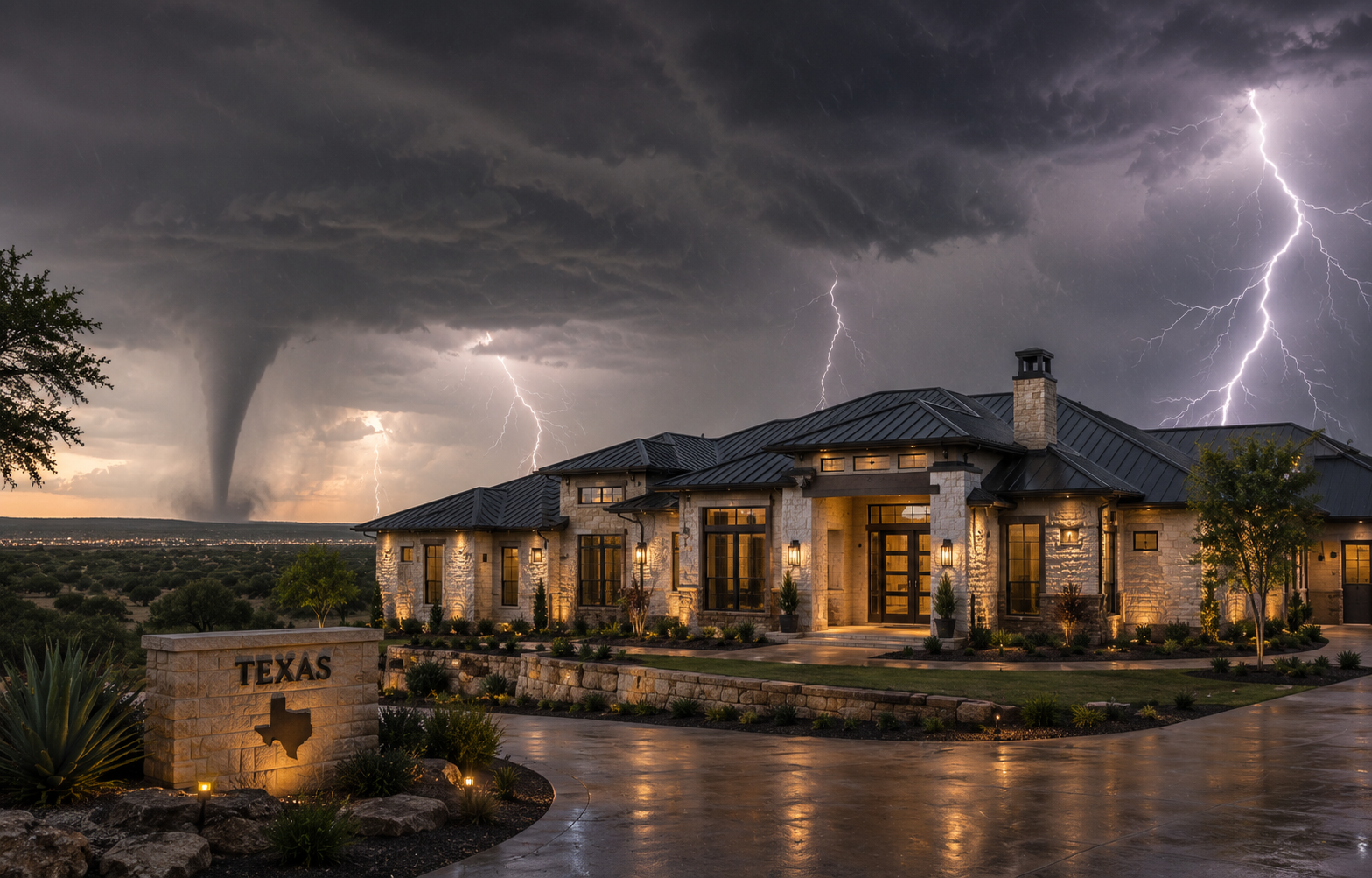
1. What is a hardened ICF home?
A hardened home is a structure specifically engineered to provide a significantly higher level of protection, durability, and resilience than conventional residential construction. When built using Insulated Concrete Forms, these homes combine reinforced concrete, steel reinforcement, advanced structural engineering, and impact-resistant design principles to create buildings capable of withstanding conditions that would severely damage traditional wood-framed homes. A hardened ICF home is designed not only for luxury and comfort, but also for safety, security, and long-term performance.
2. What does ICF stand for?
ICF stands for Insulated Concrete Forms, a building system consisting of interlocking insulated panels or blocks that are assembled on-site and filled with reinforced concrete. Once the concrete cures, the insulation remains permanently in place, creating a highly efficient building envelope. This construction method combines the structural strength of reinforced concrete with the thermal benefits of continuous insulation, resulting in a home that is stronger, quieter, and more energy efficient than conventional construction.
3. Why are hardened ICF homes becoming so popular in Texas?
Texas homeowners face a unique combination of severe weather threats including tornadoes, hurricanes, large hail, straight-line winds, flash flooding, and extreme heat. These conditions have caused many families to seek homes that provide greater protection and resilience. Hardened ICF homes offer peace of mind by combining exceptional structural strength with lower energy costs and long-term durability, making them an increasingly attractive option for homeowners throughout the state.
4. Can an ICF home withstand tornadoes?
While no structure can be guaranteed to survive every tornado event, properly engineered ICF homes offer dramatically greater resistance to tornado-related damage than traditional wood-frame homes. Reinforced concrete walls provide exceptional resistance to high winds and flying debris, which are often the primary causes of structural failure during severe storms. Many homeowners also choose to incorporate reinforced safe rooms for an additional layer of protection during extreme weather events.
5. Are ICF homes resistant to hurricanes and high winds?
Yes. Reinforced concrete walls, steel reinforcement, and properly engineered roof systems create a highly resilient structure capable of withstanding hurricane-force winds and severe storm conditions. The continuous load path from roof to foundation helps distribute wind forces more effectively than traditional construction, significantly improving structural performance during major storms.
6. Are ICF homes fire resistant?
One of the major advantages of ICF construction is superior fire resistance. Concrete does not burn, and ICF wall systems can achieve fire ratings measured in hours rather than minutes. This increased resistance can slow the spread of fire, provide additional evacuation time, and reduce the likelihood of total structural loss during a fire event.
7. Do ICF homes save money on utilities?
Absolutely. The combination of continuous insulation and the thermal mass of concrete creates an extremely energy-efficient building envelope. Indoor temperatures remain more stable throughout the year, reducing the workload on heating and cooling systems. Many homeowners report substantial reductions in monthly utility costs compared to similarly sized conventional homes.
8. Are ICF homes quieter than traditional homes?
Yes. The dense concrete core and continuous insulation provide excellent sound attenuation, dramatically reducing outside noise from traffic, storms, aircraft, construction, and neighboring properties. Many homeowners describe the interior environment of an ICF home as noticeably quieter and more peaceful than traditional construction.
9. Do termites and pests damage ICF homes?
Because the structural walls are made of reinforced concrete rather than wood, ICF homes eliminate one of the primary food sources for termites and many other pests. This significantly reduces the risk of insect-related structural damage and lowers long-term maintenance concerns associated with conventional framing materials.
10. Can I build a luxury custom home using ICF?
Absolutely. ICF construction supports virtually unlimited architectural possibilities, including large open floor plans, soaring ceilings, expansive windows, curved walls, and dramatic spans. Whether your vision includes a modern estate, ranch home, Mediterranean villa, or contemporary masterpiece, ICF technology can accommodate luxury design without sacrificing structural integrity.
11. Can safe rooms and bunkers be integrated into an ICF home?
Yes. One of the major advantages of ICF construction is the ability to seamlessly integrate storm shelters, panic rooms, safe rooms, and underground bunkers into the home’s overall design. These spaces can be concealed within the floor plan while providing enhanced security and emergency protection when needed.
12. Are hardened ICF homes more expensive to build?
The initial construction cost of an ICF home is often somewhat higher than traditional wood-frame construction due to additional materials and engineering requirements. However, many homeowners find that lower utility bills, reduced maintenance expenses, fewer repairs, and longer service life provide excellent long-term financial value and offset much of the initial investment.
13. How long will an ICF home last?
A properly designed and maintained ICF home has the potential to last for generations. Reinforced concrete construction resists rot, termites, moisture damage, mold, and many forms of structural deterioration that commonly affect traditional homes over time. Many experts expect well-built ICF homes to significantly outlast conventional residential structures.
14. Can ICF homes withstand hail?
Yes. While roof coverings and windows may still require appropriate impact ratings, the reinforced concrete wall system itself provides exceptional resistance to hail and storm-related impacts. Combined with impact-resistant roofing materials and windows, an ICF home can provide outstanding protection during severe hail events common throughout Texas.
15. Are ICF homes environmentally friendly?
ICF homes are considered highly sustainable because they dramatically reduce energy consumption throughout the life of the building. Their superior efficiency lowers carbon emissions associated with heating and cooling while their long service life reduces material waste associated with future rebuilding or major renovations.
16. Can hardened ICF homes operate during power outages?
Many homeowners design their hardened homes with resilience in mind by incorporating backup generators, solar power systems, battery storage, water reserves, and advanced HVAC systems. These features allow the home to remain functional during utility outages and emergency situations, increasing self-sufficiency and preparedness.
17. Can ICF homes be built in any architectural style?
Yes. ICF construction is extremely versatile and can accommodate virtually any architectural style or design preference. Whether your vision includes a luxury Texas ranch, a contemporary urban residence, a Mediterranean estate, or a mountain retreat, ICF can provide the structural performance needed while maintaining design flexibility.
18. What is the biggest advantage of a hardened ICF home?
Most homeowners consider the greatest advantage to be the unique combination of strength, comfort, efficiency, and peace of mind. A hardened ICF home not only protects your family during severe weather but also provides lower energy costs, quieter living spaces, improved durability, and long-term value that extends far beyond traditional construction.
19. Is a hardened ICF home a good investment?
For many homeowners, a hardened ICF home represents one of the smartest long-term investments available. Lower operating costs, reduced maintenance requirements, exceptional durability, and increased resilience can all contribute to long-term financial benefits while protecting one of your most valuable assets.
20. Where can I learn more about designing a hardened ICF home?
The best place to start is by consulting with experienced ICF architects, engineers, and builders who specialize in hardened construction. Early planning allows homeowners to evaluate design options, resilience features, energy goals, and budget considerations while creating a custom home tailored to their family’s needs and priorities.